
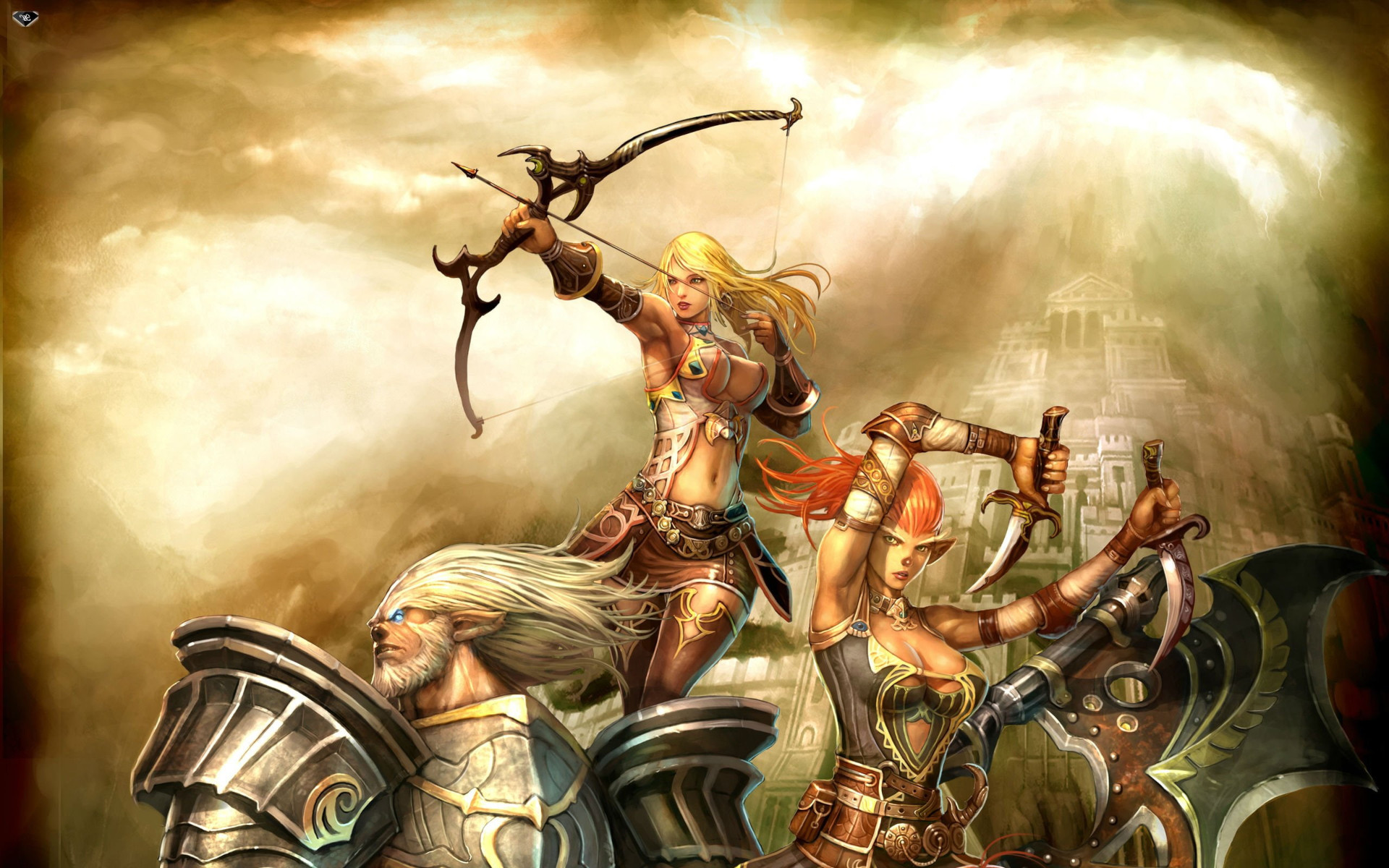
4Past logo
A mythic vista of Iberia

The Chronicle of Iberia

From the first light to the fragile peace of today—this is the story of 4Past’s world.

The Creation (~3000 Before Blonead)

In the beginning there was no rift between sky and soil—only a deep, unbroken stillness. Into that quiet stepped two first divinities. Leya, bearer of light and compassion, willed harmony into being. Opposite her stood Bergelius, who coveted dominion through absence and silence. Their rivalry grew until the heavens themselves split with conflict. Leya fell, and Bergelius cast her into a vault of shadow.

Even in captivity, hope did not leave Leya. She bent starlight through the bars of darkness and taught the world to breathe in cycles: radiance and calm, now called day and night. From her will rose the four first principles—earth, water, air, and fire—and the canvas of continents took shape. She named her favored land Iberia and gave life to its early folk, the Mu. To protect what she could not defend herself, Leya shaped eight guardians and set them as wardens of the world.

When Bergelius noticed the living tapestry, rage followed. He sent his chosen liege, Parakhel, to unweave Leya’s design. A pall of fog moved over Iberia; fear took root; the Mu were misled and many swore fealty to the shadow. The guardians answered with a cleansing flood. Few survived, fleeing west to the isle of Britron, where Parakhel twisted isolation into cruelty. Thus rose the war-tribe later feared as the Rahu.
The Settlement (~3000 – 0 Before Blonead)

As ages turned, refugees and wanderers reached Iberia’s shores. Among them grew four great clans: the Elves, Fairies, Felines, and Humans, while uncorrupted natives came to be honored as the Mu. The Elves, later called the Bon-Tuna, drew closer to spirit than flesh and shunned change. The Fairies, the Mirhur, mastered subtle magic; with them allied the cat-kin of Neved, who merged into today’s Felines. The Humans, the Parholn, adapted quickly and spread across Iberia, though their lives were brief.

Friction bred conflict, yet wisdom prevailed: the clans chose coexistence. In secrecy the Rahu gathered under the bleak banner of Parakhel and struck. United, the clans drove them back—but seized in the chaos a blade of ill omen, Krawendyn. The sword’s shadow festered in mortal hearts until the guardians shattered it, and with it the rising war. Still the Rahu ravaged the land, and a second flood scoured the world to near-silence. Survivors wandered as nomads; the soil healed slowly.

The New Era (0 – 85 After Blonead)

With time, a sovereign rose: Queen Blid Blonead, who united the clans and named the realm Iberia. The early years were spent pushing back hunger and beasts. Knowledge of martial disciplines blossomed; villages became towns; exploration opened new frontiers. Borders were drawn—Ardir, Tibered, and Tarat—but old resentments ignited skirmishes.

The Rahu returned in force, and the fight for Ardir consumed the continent. Among Iberia’s champions stood Arian Horus. Though wounded and outnumbered, he saved his companions, rallied new forces in Tarat, and broke the shadow host. Then, without warning, both the Queen and her champion vanished.

The War Age (85 After Blonead – Present)

With no heir, Iberia split between the Queen’s four closest counsellors: Neban Maha, Ruard Lopesa, Edgar Seher, and Uma Plutak. Ambition soured counsel. Edgar withdrew south and founded the holy city of Gor. Unrest became revolt; blood was spilled in what chronicles call the Night of the Black Moon. Rumors whisper that Arian Horus—once a hero—was seen that night.

Realms hardened. Derion (east) under Ruard embraced strict rule and arcane industry. Valorian (west) under Neban trained disciplined armies and fed the realm. Gor chose trade and neutrality, ruled by King Tristan. Ceasefires lapsed, borders bristled, and merchants paved uneasy peace. Today that peace endures—thin as parchment, loud with marching boots.

The Veilfract (c. 112 After Blonead)

Scholars record a night when the firmament did not darken so much as thin. A pale seam opened over the island of Britron—once the Rahu’s cradle—and reality rippled. Those who gazed upon it spoke of echoes that were not sounds and lights that were not flames. The breach became known as the Veilfract.

From the rift spilled Veilsalt, a glassy residue that hums when near old magic, and shards of the sundered blade Krawendyn—its spite preserved beyond its ruin. The fragments did not cut flesh, but memories. Exposure birthed a cult that called itself the Silent Choir, convinced Iberia’s pain could only end by unmaking history itself.

Alarmed, the rulers of Valorian, Derion, and Gor met in secrecy. From that meeting came the Pact of Three: Valorian would guard Britron’s shores; Derion would bind the rift with sigil-engines; Gor would supply and arbitrate. For a time, it worked.

Yet the Choir moved like mist. They infiltrated libraries, reliquaries, and even garrisons, seeking a ritual they called the Quieting—a weave that would fold Iberia gently into silence. When their plot came to light, a coalition rose: the Wardens of the Seam, sworn to hold the Veilfract at any cost.

Today, patrol fires burn along Britron’s black shore. Veilsalt lamps sing in Derion’s labs. Gor’s caravans roll under watchful eyes. The rift narrows and widens with the seasons, like a wound that remembers its pain.

The Three Realms

Valorian — The Western Bastion

High walls and patient discipline define Valorian. Scarred by wars against the Rahu, its people prize order, logistics, and steady ranks. Fields and forges keep Iberia fed and armed.

Derion — The Eastern Crucible

Under Ruard Lopesa, Derion weds steel to spell. Research halls and alchemical foundries hum with invention. Knights of the sigil defend an emperor whose designs reach far beyond his borders.

Gor — The Southern Concord

Founded by Edgar Seher and ruled by King Tristan, Gor trades with both sides while fortifying sacred ground. When war flares, its caravans become lifelines—and its roads become lines in the sand.

Peoples of Iberia

Bon-Tuna (Elves)

Transcendent, tradition-bound, and slow to change; their counsel is steady as winter stars.

Mirhur (Fairies)

Small in stature, vast in insight; masters of subtle craft and living magic.

Felines

Cat-kin born of alliance with Mirhur; swift, keen-eyed, and fiercely loyal.

Parholn (Humans)

Adaptable and tireless; their short lives burn bright with ambition and resolve.

Mu

First people of Iberia untainted by shadow; lore-keepers and stewards of old places.

Aftermath of the Black Moon

The massacre in Lezina left more than ghosts; it left gaps. Scribes record nights where sound failed, where fire gave no heat, and where footprints pressed into stone—lacunae scholars now call Hollow Hours. Some say the Black Moon was not a sign but a lock turned in a celestial door.

Pilgrims speak of a Silent Choir that gathers in ruined cloisters to sing voiceless hymns. Their throats do not move, but walls hum with a frequency that withers Rahu sigils. Whether they are Leya’s new wardens or remnants of Krawendyn’s curse is a question few dare test.

The Age of Embers

The present age is named not for fire but for what survives after. Cities nurse their coals; caravans are guarded as if they carried dawn itself. Across Iberia, small orders kindle light where borders fail—candlemakers who are also cartographers, healers who draw maps of pain, and smiths who forge blades that ring like temple bells.

In this hush between wars, expeditions vanish in places that once were safe. Tracks are found circling back to their own beginnings. Veterans whisper that time is frayed at the edges, and that Parakhel’s lieutenants experiment not with soldiers, but with sequence.

Relics & Venerated Sites

Shard of Krawendyn

Not all fragments were lost. A translucent sliver appears in different shrines at different seasons, as if refusing to be owned. Those who carry it hear footfalls behind them that match their heartbeat.

The Sunken Crown

A diadem of woven reeds hardened like amber, said to be Queen Blonead’s “second crown”—worn for parley, not for war. Found once each century atop a different river.

The Choir Steps

Stairs cut into a cliff near Lezina that resonate like chorales when walked at dawn. Pilgrims with pure intent reach the top in twelve notes; others never finish the first.

Britron’s Hollow Gate

A sea-arch carved by Parakhel’s first host. Its shadow points inland on new moons, no matter where the moon actually lies.

Notable Figures of the Age

Marshal Ceryn Hale (Valorian)

A tactician who charts supply lines like constellations. Rumored to carry a Veilsalt vial that never empties, gifted by a Mirhur envoy saved on winter roads.

Archivist Virel Anun (Gor)

Keeps the “Quiet Index,” a ledger of events that never happened. The pages are blank to most, but Mirhur readers see ink where others see light.

Magister Rhos Talan (Derion)

Oversees the Aether Crucibles. Seeks to bind Veilfract currents into stable engines. Claims Parakhel is testing Derion through sabotage.

Rahu Cantor “Skive of Britron”

War-priest who sings stones into soldiers. Fights with an empty scabbard as if a blade were always there.

Adventure Hooks

  • The Twelfth Note: The Choir Steps fail to sing at dawn. A Silent Choir acolyte seeks escorts to recover a stolen tuning stone.
  • Salt for Winter: A caravan of Veilsalt is overdue. Derion blames Valorian tariffs; Rahu glyphs appear on the road markers.
  • Glass from Rain: After a Veilfract storm, a village wakes to find every tool turned to glass. The shard of Krawendyn is sighted in a well.
  • The Hollow Hour: A whole evening vanishes from Gor’s clocks. Archivist Virel hires discreet hands to retrieve an entry from the Quiet Index.
  • Britron’s Breath: The sea-arch shadow points inland over a Rahu mustering ground. Scouts are needed before the tide turns black.